Information
Landmark: Hwaseong FortressCity: Suwon
Country: South Korea
Continent: Asia
Hwaseong Fortress, Suwon, South Korea, Asia
Overview
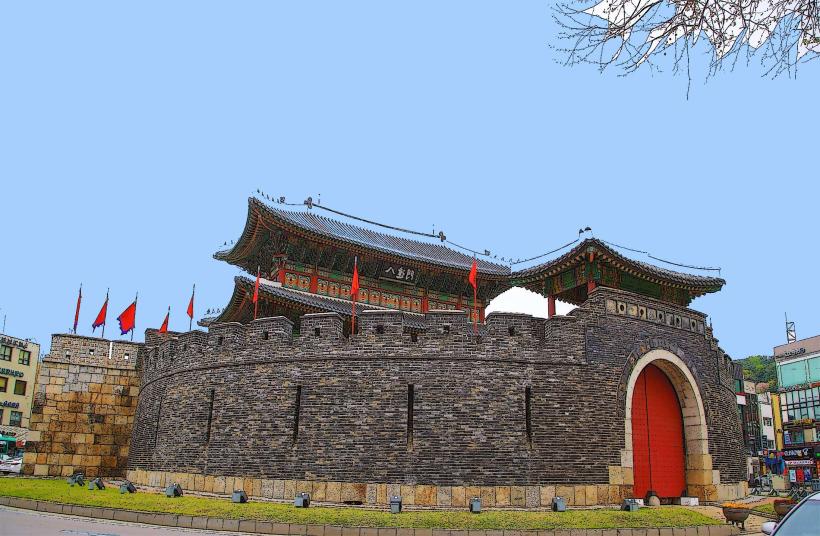
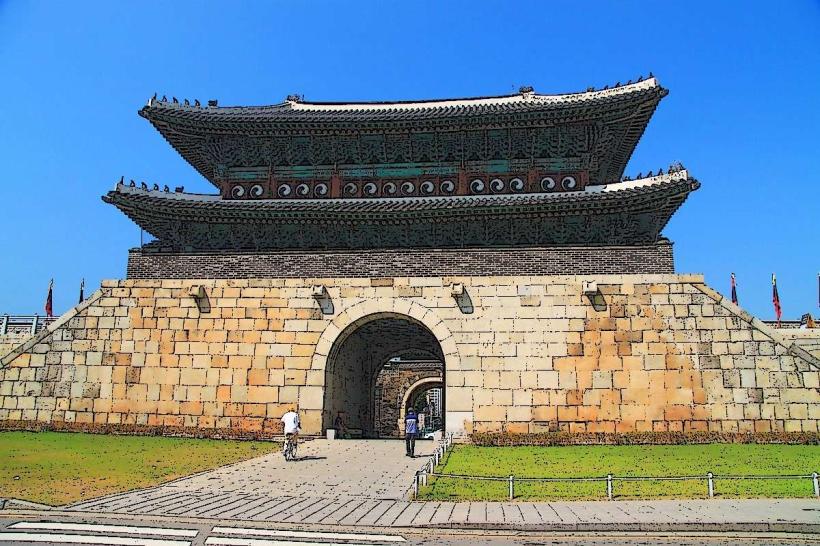
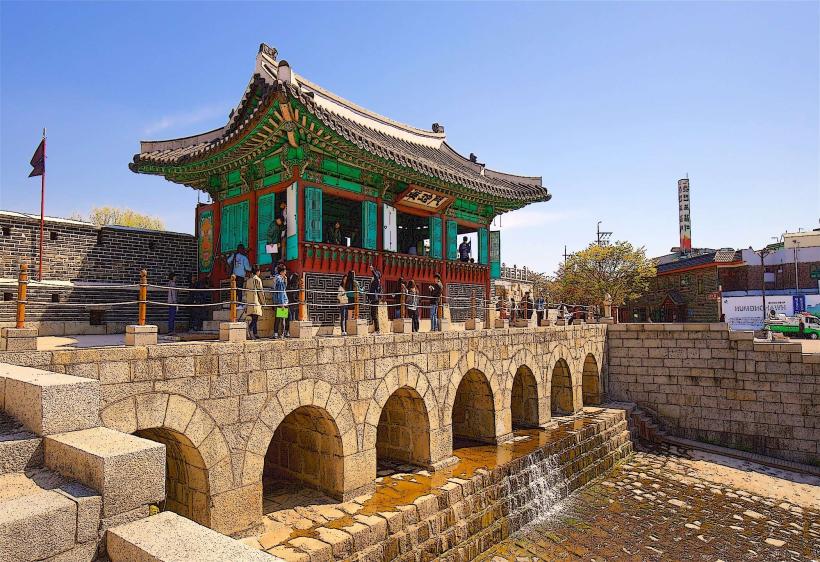
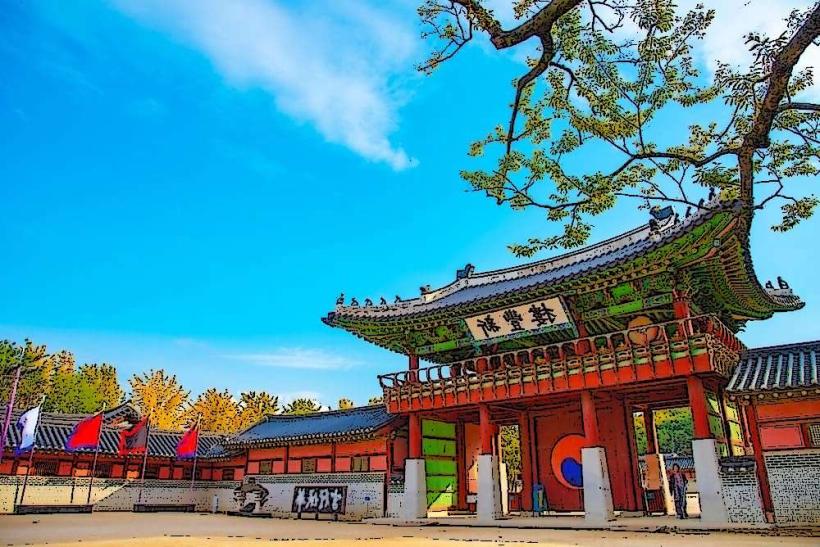
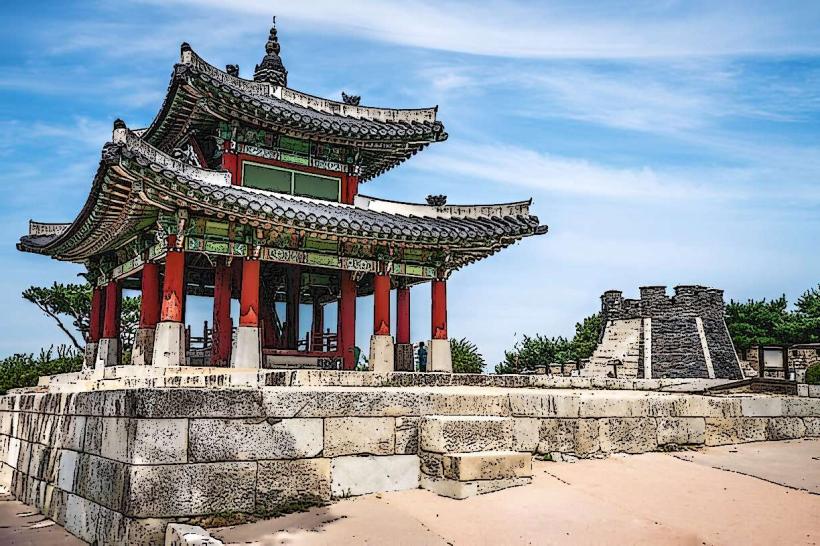
In Suwon, South Korea, Hwaseong Fortress stands as one of the late Joseon Dynasty’s best-preserved military strongholds, its stone walls still bearing the marks of centuries past, subsequently between 1794 and 1796, workers built it at King Jeongjo’s command, a tribute he ordered for his late father, Crown Prince Sado.The fortress stands as proof of the era’s political power, military skill, and bold architecture, and since 1997, it’s worn its UNESCO World Heritage title like a well-earned medal, subsequently king Jeongjo built the Hwaseong Fortress to honor his father, Crown Prince Sado, who had been executed by his own father, King Yeongjo, in a moment of grim family tragedy.You know, Mystery and controversy shrouded Sado’s death, and King Jeongjo, determined to clear his father’s name, ordered the royal tombs moved to the area and built a recent city that rose in the shadow of the fortress walls, likewise the fortress stood as a visible mark of King Jeongjo’s power, built not only to guard against attack but also to project his rule’s cultural pride-stone walls rising solid in the midday sun.Hwaseong Fortress blends traditional Korean design with Western military engineering, its curved stone walls meeting sharp-edged bastions in a striking harmony, not only that the fortress is ringed by walls that run for more than 5.7 kilometers-about 3.5 miles-broken up by sturdy gates, watchtowers, and bastions, their stone surfaces rough beneath your hand.These walls were built from a mix of stone and brick-an odd choice back then, when most Korean fortresses rose from solid stone alone, cool and gray under the sun, therefore the fortress has four main gates: Janganmun, Paldalmun, Hwaseomun, and Chilbo Gate, each standing solid and weathered by years of wind and rain.Every gate shows its own distinct design, but Janganmun and Paldalmun stand out, towering over the streets as the main entrances, moreover watchtowers and Bastions: The fortress has several bangmangi watchtowers and stout bastions set right into its thick stone walls.Built for surveillance and defense, these structures offered a wide, unobstructed view of the land-right down to the distant tree line-giving the fortress an advantage against approaching invaders, to boot the towers rose at crucial spots, giving guards a clear view of both the courtyard inside and the rugged hills beyond the walls.Defensive Mechanisms: The fortress was built for maximum protection, with a deep moat, thick double walls, and heavy gates that groaned when they swung shut, not only that some parts of the walls tilt inward, forming extra layers of defense-like a stone wedge ready to push back anyone trying to break through.Western influence showed in the fortress’s design, with brickwork strengthening sections of the walls and features like jutting bastions and echoing gun emplacements, and it reflected the growing reach of Western technology in the late 18th century, when steam engines rattled in busy ports and factories hummed with recent machines.Paldalmun, the main gate, stands as the fortress’s best‑known and most intact entrance, its weathered stones still holding the scent of rain, moreover people regard it as an architectural masterpiece, where sweeping tiled roofs meet the sturdy stone walls of Western-style military fortifications.Funny enough, The gate rises 6.5 meters, its heavy timbers built to hold firm against an enemy’s assault, meanwhile its design features two striking turrets, a glance people often call a “twin-tower” style.Inside the fortress walls stands Hwaseong Haenggung, a temporary palace where the king once stayed during his visits, its wooden gates opening to quiet courtyards, subsequently when King Jeongjo visited Suwon to honor his father’s tomb just down the road, he often stopped here to spend some quiet time.The palace stands out for its wide, sunlit courtyards and classic Korean design, with ondol underfloor heating and a wooden frame held up by sturdy columns, besides observatories and Military Features: The fortress also held military lookout posts, where soldiers scanned the hills and valleys for any sign of movement.Many observatories feature an open platform where you can step into the breeze and take in a sweeping view of the hills and valleys, not only that they set up gun emplacements at key spots along the walls, each one ready to fire if an attack came.Oddly enough, In 1997, UNESCO recognized Hwaseong Fortress as a World Heritage Site, honoring its universal value and its remarkable blend of Korean traditional architecture with Western military design-stone walls that rise and curve like a living item around the city, meanwhile the site showcases the late Joseon Dynasty’s historical and technological triumphs, standing as a proud symbol of Korea’s culture, rich history, and bold architectural design, with curved tiled roofs that catch the afternoon sun.Hwaseong Fortress stood as both a shield against attack and a bold statement of King Jeongjo’s power, its high stone walls declaring his rightful rule, while the king had the fortress built in an age of political unrest, its towering stone walls a bold reminder of his power.Mind you, Jeongjo built the fortress as part of a sweeping plan to reinforce royal power, boost public welfare, and keep the Joseon Dynasty steady and secure, moreover the fortress stands as a testament to King Jeongjo’s determination to honor his father, Crown Prince Sado-condemned to die by his own father, King Yeongjo-its stones holding the weight of that bitter history.By moving his father’s tomb to Suwon and raising the fortress in his name, Jeongjo sought to bring back Sado’s dignity and preserve his legacy, also cultural Tourism: Today, visitors wander Hwaseong Fortress’s stone walls and gates, exploring one of the region’s most fundamental cultural and historical sites.You can stroll along the fortress walls, step through its weathered gates, and wander among the vintage stone buildings inside, as a result all year long, you can catch cultural reenactments, lively events, and performances-like drummers in dazzling silk robes-that offer a glimpse into everyday life in the Joseon era, for the most part On the Visitor Experience Walking Tours, you can stroll the fortress’s well-preserved stone walls and take in sweeping views of Suwon, with green hills rolling away into the distance, at the same time night Tours: After sunset, the fortress glows in warm light, and you can join special tours that lead you through its quiet halls beneath the silver moon.You can catch historical reenactments of Joseon-era ceremonies-like the colorful changing of the guards-held regularly to make the fortress’s past feel alive, and cultural Programs: The site offers exhibits and hands-on activities on Korean history, architecture, and culture, letting visitors trace centuries-classical roof tiles and meander away with a richer sense of its meaning.In the end, Hwaseong Fortress rises as a striking blend of Korean architecture, clever military planning, and centuries of history, its stone walls still cool to the touch, after that it captures King Jeongjo’s ingenuity and fierce resolve to honor his father’s memory and secure his own rule, like carving each word into stone so it would last.Blending curved Korean rooftops with bold Western stonework, the fortress stands as one of Korea’s most striking and historically treasured landmarks, alternatively because it’s a UNESCO World Heritage Site, people will keep protecting it-and stopping to admire the weathered stone walls for years to come., almost
Author: Tourist Landmarks
Date: 2025-09-16